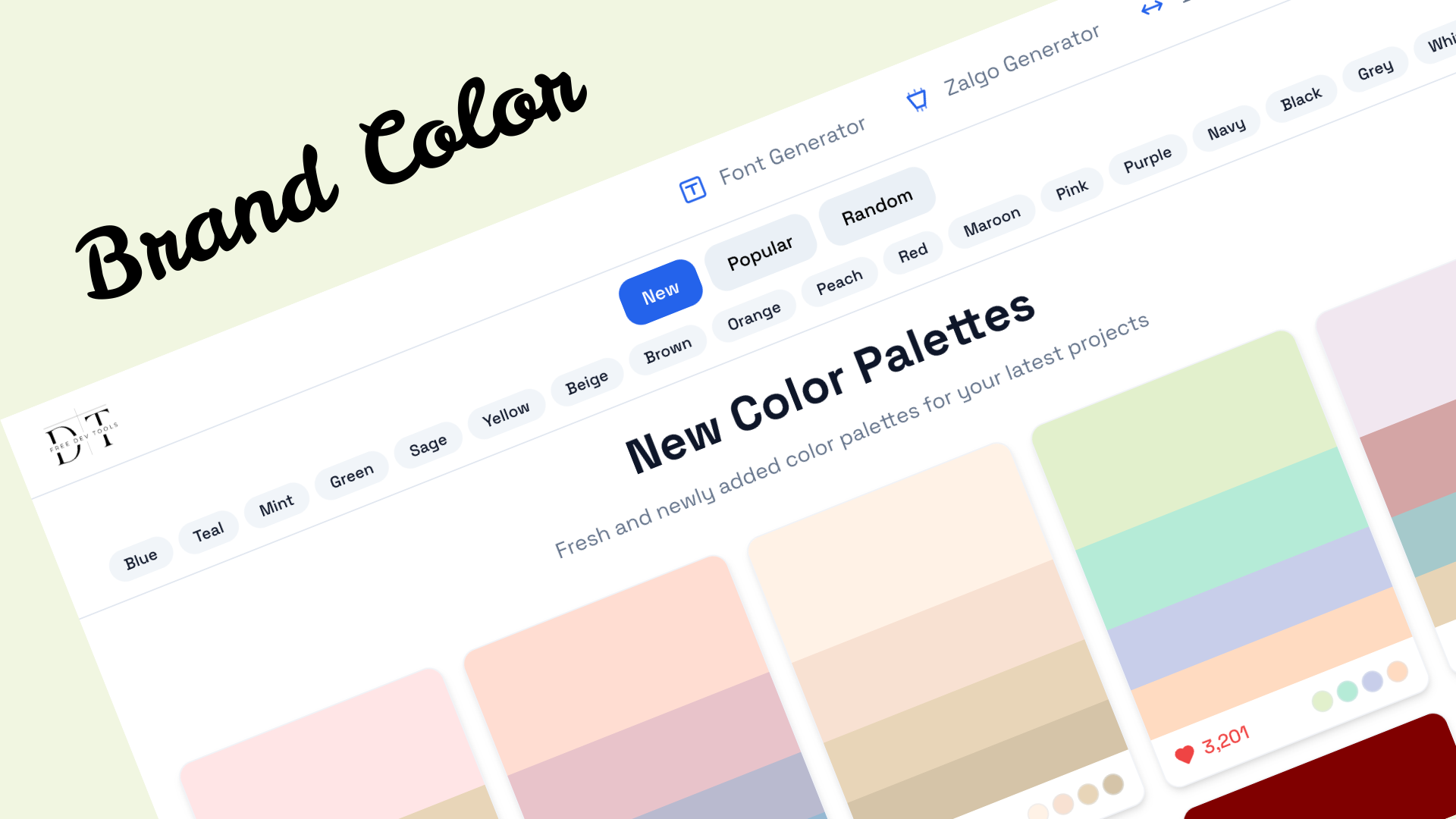
The Ultimate Guide to Color Palettes
Discover how professional designers create stunning color combinations and learn to master the art of color selection for your creative projects.
What Are Color Palettes?
Color palettes are carefully curated collections of colors that work harmoniously together to create visually appealing designs. These combinations form the foundation of every successful design project, from website interfaces to brand identities, marketing materials to interior design schemes. Understanding how to select and apply color palettes effectively is one of the most valuable skills any designer can develop.
Professional designers spend considerable time perfecting their color choices because they understand that colors evoke emotions, communicate messages, and significantly impact user experience. A well-chosen palette can make the difference between a mediocre design and an exceptional one that captures attention and resonates with audiences.
Color Psychology
Colors profoundly influence human emotions and behavior. Red stimulates energy and urgency, making it perfect for call-to-action buttons and sale announcements. Blue conveys trust and professionalism, which explains its prevalence in corporate branding and financial institutions. Green represents growth, nature, and tranquility, ideal for environmental and wellness brands.
Yellow radiates optimism and creativity, purple suggests luxury and sophistication, while orange combines energy with friendliness. Understanding these psychological associations helps designers make intentional choices that support their project goals.
Color Harmony Types
Complementary palettes use colors opposite on the color wheel, creating high contrast and visual impact. Analogous schemes combine adjacent colors for cohesive, naturally pleasing combinations. Triadic harmonies select three equally spaced colors, offering vibrant variety while maintaining balance.
Split-complementary palettes provide contrast without intensity, while tetradic schemes use four colors in two complementary pairs. Monochromatic palettes explore variations of a single hue, creating sophisticated, unified designs that feel professionally polished.
Why Color Palettes Matter
Brand Recognition
Consistent colors increase brand recognition by up to 80%, making your business instantly identifiable across all touchpoints and marketing channels.
User Experience
Strategic color use improves navigation, highlights important elements, and creates intuitive interfaces that users find enjoyable and easy to use.
Emotional Connection
Colors trigger emotional responses that influence purchasing decisions, brand perception, and customer loyalty in measurable ways.
Visual Hierarchy
Proper color contrast establishes clear visual hierarchy, guiding users' attention to the most important content and actions.
Accessibility
Well-designed palettes ensure sufficient contrast ratios, making content readable for users with visual impairments and color blindness.
Professional Appeal
Cohesive color schemes instantly communicate professionalism and attention to detail, building trust with your audience.
How to Choose the Perfect Palette
Start with your brand personality: Define the emotions and values you want to convey. A playful children's brand needs different colors than a luxury fashion house or a tech startup. Consider your target audience's preferences and cultural associations with various colors.
Consider context and application: Colors that work beautifully on screen may appear differently in print. Dark themes suit evening entertainment apps, while bright palettes energize fitness and lifestyle brands. Test your choices across all intended mediums.
Apply the 60-30-10 rule: Use your dominant color for 60% of the design, secondary color for 30%, and accent color for 10%. This classic interior design principle creates balanced, visually appealing compositions in any medium.
Test extensively: View your palette in different lighting conditions, on various devices, and with actual content. Get feedback from diverse users to ensure your colors work for everyone and communicate your intended message.
Web Design Applications
Modern web design relies heavily on strategic color palette implementation. Primary colors establish brand identity through headers, buttons, and key UI elements. Secondary colors support navigation and section differentiation. Accent colors draw attention to calls-to-action and important notifications.
Background colors set the overall tone while ensuring content readability. Successful websites maintain consistent color usage across all pages, creating seamless user experiences that feel professionally crafted and intentionally designed.
Marketing & Branding
Effective marketing campaigns leverage color psychology to influence consumer behavior. Seasonal palettes align promotional materials with current trends and holidays. Industry-appropriate colors build credibility within specific markets and audience expectations.
Brand guidelines document exact color specifications ensuring consistency across all marketing channels, from social media graphics to print advertisements, packaging to environmental design, maintaining strong brand recognition everywhere.
Professional Design Tips
Limit Your Palette
Stick to 3-5 colors maximum for most projects. Fewer colors create cleaner, more memorable designs that are easier to implement consistently.
Consider Accessibility
Ensure text has at least 4.5:1 contrast ratio against backgrounds. Test with colorblindness simulators to verify usability for all users.
Document Everything
Create detailed color specifications including HEX, RGB, and CMYK values. This ensures consistency across digital and print applications.
Stay Current
Color trends evolve annually. Stay informed about emerging palettes while maintaining timeless brand foundations that won't date quickly.
Whether you're designing a website, creating marketing materials, developing a brand identity, or simply exploring creative possibilities, the right color palette transforms ordinary work into extraordinary visual experiences. Browse our curated collection above and discover the perfect colors for your next project.